Pew
Pew
The Patchwork of Concealed Carry Laws
As a professional firearms writer and experienced competitive shooter, I know all too well the challenges of navigating the patchwork of concealed carry laws across the United States. Whether you're traveling by car or by air, it's critical to understand the legal landscape to ensure you stay on the right side of the law.
Possession vs. Ownership
The first key distinction to understand is the difference between possession and ownership of a handgun. In many states, the minimum age to purchase a handgun is 21, but you may be able to obtain a concealed carry permit at 18. Similarly, certain states may have additional restrictions or disqualifiers beyond the federal requirements on Form 4473. The bottom line is that meeting the federal standards for possession may not be enough in some jurisdictions.
Traveling by Car
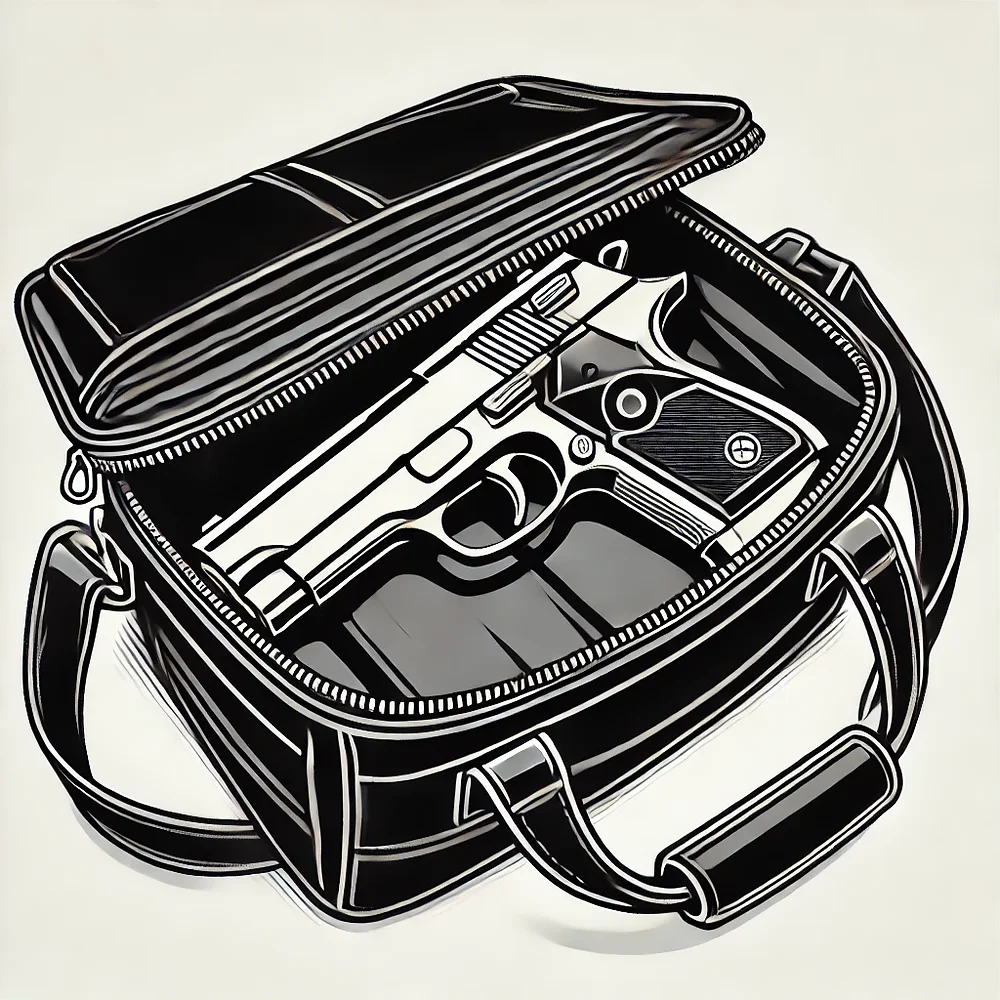
If you're traveling by automobile and passing through states that prohibit certain types of firearms or magazines, the Firearms Owners' Protection Act (FOPA) provides some protections. As long as your handgun is unloaded, locked in a case, and stored in an inaccessible part of your vehicle, you should be able to legally transport it. However, this protection is not ironclad, and you could still face arrest and prosecution if you deviate from the strict FOPA requirements.
Beware of Overnight Stays
One important caveat is that the FOPA protections only apply while you are actively traveling — if you need to stop for an extended period, such as an overnight stay, you may no longer be covered. This is where the gray area of interpretation comes into play, and you could end up in legal jeopardy even if you believe you're acting within the law.
Traveling by Air
For those who prefer to fly, traveling with a firearm can be a bit more straightforward, as you cannot violate the laws of the destination state while airborne. However, you'll still need to follow the specific requirements of your airline, which typically involve declaring the firearm, ensuring it's unloaded and stored in a locked, hard-sided container as checked luggage.
Communicate Effectively
When checking in for your flight, it's crucial to communicate effectively with the airline staff. Approach the check-in counter calmly and provide all the necessary information upfront to avoid any misunderstandings or delays.
Bottom Line
The patchwork of concealed carry laws across the United States can be a minefield for the responsible gun owner. Whether you're traveling by car or by air, it's essential to thoroughly research the laws of every state you'll be passing through and adhere to the strict requirements to avoid potential legal issues. By staying informed and following the rules, you can safely and legally transport your self-defense firearm to your destination.