Pew
Pew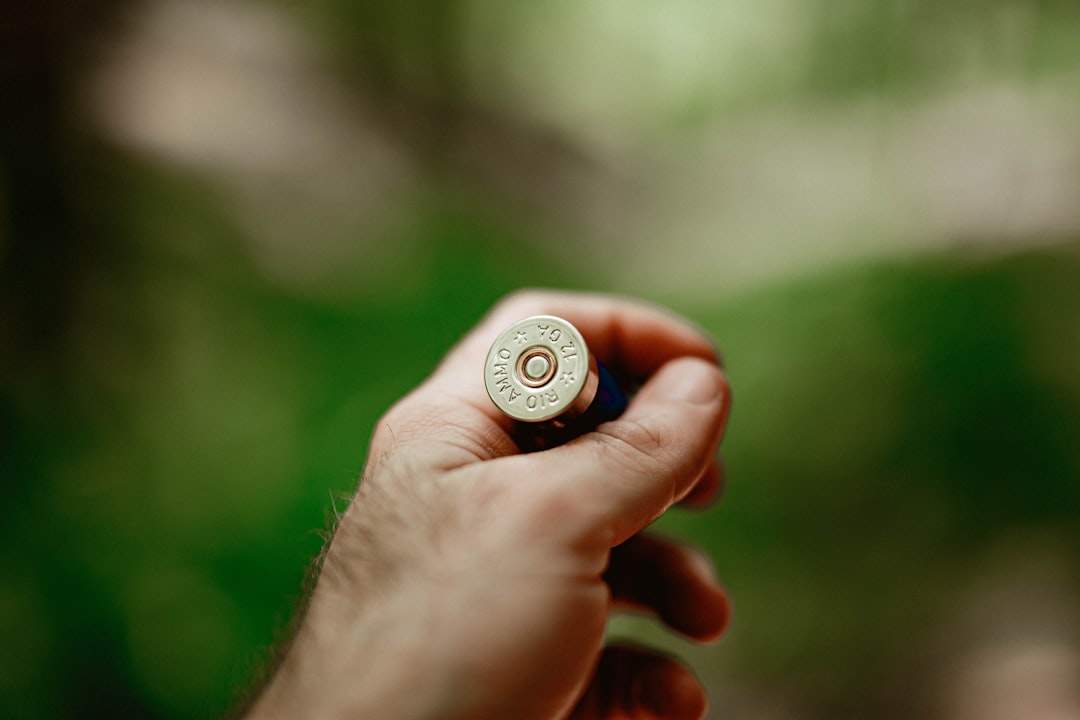
Shotgun Ammo 101: Gauge, Shot Size, and Ballistics
As an experienced shooter and firearms enthusiast, I know that the topic of shotgun ammunition can be a complex one, especially for newer gun owners. In this article, we'll dive into the fundamentals of shotgun cartridges, exploring the key factors that influence their performance and helping you make informed decisions when it comes to selecting the right ammunition for your specific needs.
Understanding Shotgun Gauge
The first and most important consideration when it comes to shotgun ammunition is gauge. Shotgun gauge refers to the diameter of the shotgun's bore, and the most common sizes are 12-gauge, 20-gauge, and 410-bore. Generally speaking, the lower the gauge number, the larger the diameter of the shotgun's barrel and the more powerful the ammunition. 12-gauge is the most popular and widely available shotgun gauge, offering a versatile balance of power and manageable recoil. 20-gauge and 410-bore are also popular choices, particularly for smaller-framed shooters or those looking for a lighter-recoiling option.
Shot Size and Payload
Another crucial factor in shotgun ammunition is the size and number of individual shot pellets, often referred to as the "shot charge." Shotgun shells come loaded with a variety of shot sizes, ranging from the large, hard-hitting "buckshot" to the smaller, more numerous "birdshot" loads. The size of the shot is denoted by a number, with larger numbers indicating smaller shot diameter. For example, #4 buckshot is larger than #8 birdshot. The payload, or total weight of the shot, also plays a role in the ammunition's ballistic performance and intended use.
Shotgun Ammunition for Different Applications
Depending on your specific needs, different shotgun ammunition types will be more or less suitable. For self-defense and home protection, larger buckshot or specialty personal defense loads are often the best choice, offering potent stopping power and tight patterns at typical self-defense ranges. Birdshot, on the other hand, is more suitable for target shooting, clay sports, and small game hunting, where a wider, more even pattern is desirable.
When it comes to hunting larger game, such as deer or turkey, specialized shotgun slugs or heavy turkey loads deliver the necessary power and accuracy for ethical and effective shots. And for waterfowl or upland bird hunting, the choice often comes down to the size and type of shot, with smaller birdshot sizes like #4 or #6 being common choices.
Maintaining Shotgun Ammunition Safety and Performance
Regardless of the specific application, it's crucial to always handle shotgun ammunition with care and follow basic safety protocols. This includes storing ammunition in a secure location, regularly inspecting shells for any signs of damage or corrosion, and choosing high-quality, reputable brands to ensure reliable performance and consistency.
Additionally, it's important to pattern your shotgun with the specific ammunition you plan to use, as barrel length, choke, and other factors can significantly influence the spread and point of impact of the shot charge. Taking the time to test different loads at the range will help you identify the most effective and accurate combination for your particular firearm and needs.
Bottom Line
Mastering the complexities of shotgun ammunition is an essential part of being a responsible and knowledgeable firearms owner. By understanding the relationship between gauge, shot size, and ballistic performance, you'll be better equipped to select the right shotgun ammo for your specific applications, whether it's self-defense, hunting, or recreational shooting. Remember to always prioritize safety, maintenance, and careful testing to ensure optimal performance and reliability.